As the November election approaches, Ohio voters are considering a range of issues, from candidate stances on national matters to the integrity of the voting process itself. Meanwhile, the state is also leading a significant legal effort concerning the regulation of sports gambling.
In a development reported by The Columbus Dispatch’s Cole Behrens, U.S. Senate candidate Sherrod Brown stated he would not support impeaching President Donald Trump if elected this November. Republicans have previously suggested that Democrats might seek to impeach Trump if they regain control of Congress in the midterms. In an interview on October 9, Brown told The Dispatch that he would not be in favor of impeaching the president, explaining there is "simply no reason for that, no matter what happens in the midterms."
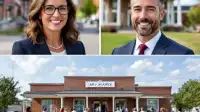
The race for Ohio attorney general features two candidates with extensive legal and public service backgrounds, as reported by The Toledo Blade’s Danny Eldredge. Regardless of who voters choose, Ohio’s next attorney general will possess decades of relevant experience. Republican Keith Faber is currently serving the final year of his second term as state auditor. Faber has a long history in state politics, having served 18 years as a state legislator in both chambers of the Ohio General Assembly, including four years as Ohio Senate president. He is also a senior partner at the Celina, Ohio-based law firm Faber & Associates and earned his law degree from the Ohio State University Moritz College of Law. Democrat John Kulewicz, an Upper Arlington city councilman, worked as an attorney for 44 years at the Columbus-based law firm Vorys, Sater, Seymour, and Pease, where he argued cases in the U.S. Supreme Court and various courts across Ohio. Kulewicz earned his law degree from Yale Law School, where he served as an editor of the Yale Law Journal. Both candidates have discussed their views on various issues during separate interviews.
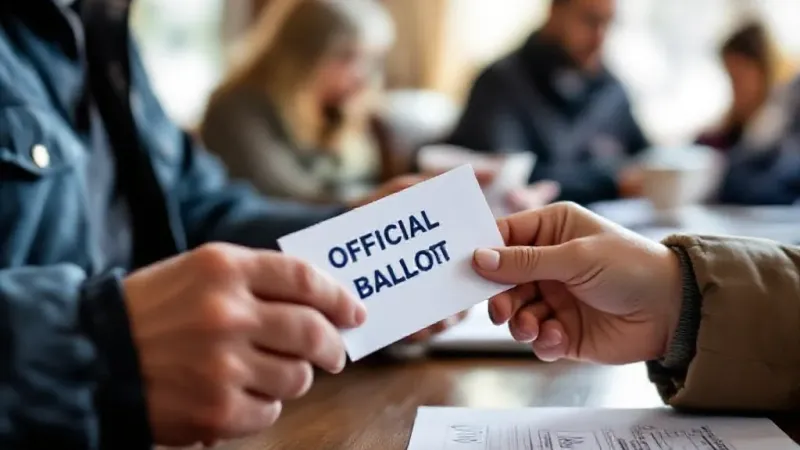
Ensuring fair and free elections is another key focus as the midterms draw near. WVXU’s Lilley Halloran reports that local boards of elections are confident that the upcoming midterms will be free and fair. While NPR reporting suggests there is still some public distrust regarding the midterm season, many voters reportedly trust their state and local officials to conduct an impartial election. Nicole Unzicker, director of the Butler County Board of Elections, expressed confidence that voters can trust the process. Unzicker noted that all of Ohio’s boards of elections must adhere to strict guidelines. She stated that the work done for every election "doesn’t waver between elections," whether ten people or 50,000 turn out. Unzicker and other election officials emphasized that bipartisanship is crucial to the integrity of an election. This includes having election directors and deputy directors from opposite parties in every county, as well as an equal number of Democratic and Republican poll workers.
Separately, Ohio is leading a bipartisan coalition of states in a legal challenge regarding sports gambling. The Dayton Daily News’ Jamie Dupree reports that a coalition of 39 states, led by Ohio’s attorney general, has asked the U.S. Supreme Court to intervene in a growing legal dispute. The core issue is whether states or a federal agency should be allowed to regulate bets placed on prediction markets. In a written brief submitted to the Supreme Court, Ohio Attorney General Andy Wilson argued that prediction markets contend classic sports bets, such as a player's performance or a team's victory, should not be considered bets at all.