
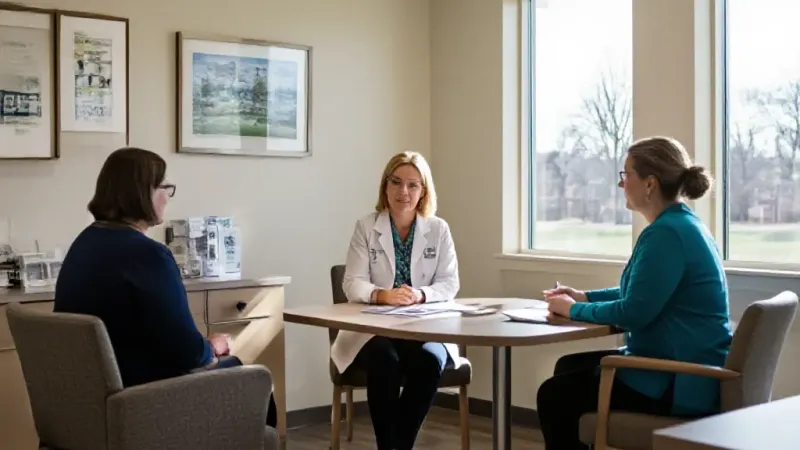
Ohio’s infant mortality rate has shown improvement, according to state data, but advocates emphasize that progress is not uniform across all communities. While the state's overall rate has declined, it remains higher than the national average, and significant racial disparities persist, sources say. Caitlin Feasby, managing director of policy at Groundwork Ohio, stated that Ohio's progress is the culmination of years of collaborative work among health-care providers, community organizations, and policymakers. “Ohio has made progress on infant mortality, but it didn’t happen overnight, and it didn’t happen by accident,” Feasby said during a recent panel discussion.
Ohio's most recent data indicates 6.6 infant deaths for every 1,000 live births. This figure surpasses the national rate of 5.36 deaths per 1,000 live births, as reported by the Centers for Disease Control and Prevention. The data from Groundwork Ohio highlights a particularly stark racial disparity. The infant mortality rate for white babies is 5.1 deaths per 1,000 live births, while for Black babies, the rate climbs to 12.6 deaths per 1,000 live births — more than double the rate for white infants. Hispanic infants face a rate of 6.7 deaths per 1,000 live births.
Advocates contend that the immediate challenge lies in ensuring this progress extends to communities still grappling with considerably higher infant death rates. Health-care professionals and community organizations identify access to medical care as a crucial issue, though not the sole concern. Christine Sander, senior director of community wellness at Nationwide Children’s Hospital and director of the Ohio Better Birth Outcomes Collaborative, reported that listening sessions with women of color consistently reveal concerns about their interactions with the health-care system. Sander noted that “the same themes are coming up from women of color as they have well before just the past 10 years,” which resonates with hospitals and key stakeholders.
A recurring concern from these discussions is whether patients feel heard and respected by their medical providers. Maleka James, infant mortality initiatives manager at Dayton Children’s Hospital, said women in community listening sessions described feeling dismissed by providers. Some women also reported experiencing racism within the health-care system. James emphasized that “women want to feel heard and respected, and included in decisions about their own care. Access alone is not enough.” Advocates indicate that such experiences can heighten stress during pregnancy and childbirth, potentially impacting maternal and infant health outcomes. Richard Stacklin, a senior director with First Year Cleveland, pointed out that Black families in Cuyahoga County experience an infant mortality rate more than three times higher than white families in the same county. Stacklin also relayed concerns from women about their childbirth experiences, including reports of not being listened to, feeling disrespected, or having their religious beliefs disregarded. While feedback on the birthing experience was largely negative, Stacklin reported more positive comments regarding postpartum care during community discussions.
The effort to improve infant vitality has also become a matter of state funding. Ohio’s latest state operating budget allocates $18 million per year for infant vitality programs over its two-year cycle. This marks an increase from the $16.8 million provided in 2025 but falls short of the $20 million proposed by the Ohio House. The budget additionally includes $5 million for maternal health programs delivered by community and local faith-based service providers, an amount reduced from the governor’s proposed $7.5 million. A proposed $1 million program for non-medical services at residential infant care centers was removed before the budget was finalized. A $5 million Maternal and Child Health Block Grant, however, was retained in the final spending plan.
Beyond funding, advocates highlight the difficulties confronting rural hospitals across Ohio. Federal modifications to Medicaid funding have intensified financial pressures on hospitals serving Medicaid patients, particularly in rural areas. These financial strains have contributed to the closure of maternity units or raised concerns about the long-term viability of some rural hospitals, potentially leaving expectant mothers with fewer choices for prenatal, delivery, and postpartum care.
Lawmakers are also examining legislation concerning paid family and medical leave. Senate Bill 396 proposes establishing a family and medical leave insurance program that would offer eligible Ohio workers up to 18 weeks of benefits. The bill also calls for educational initiatives and resources to help Ohioans understand the program. Richard Stacklin of First Year Cleveland suggested that policies supporting families during pregnancy and after childbirth could be instrumental in improving outcomes. “If we say we care about our moms and babies, we should establish policies that take care of our most vulnerable during their most vulnerable times,” Stacklin commented. Despite having bipartisan sponsors, the bill has not progressed through the Ohio Senate after being referred to the Financial Institutions, Insurance and Technology Committee. The current legislative session is slated to conclude in December, meaning any legislation not passed would need reintroduction in the subsequent session.
For Ohio health officials and advocates, the recent statistics confirm that the state’s initiatives are yielding positive results. Nevertheless, the infant mortality rate for Black infants remains more than twice that of white infants. Advocates stress that addressing these disparities will necessitate more than merely expanding access to health care. They argue that Ohio must also confront the quality of care, build patient trust, tackle racial inequities, enhance maternal health, improve rural access, and alleviate the economic pressures faced by families both before and after a child's birth. While overall infant mortality figures indicate Ohio is progressing, the persistent disparity among communities of color represents one of the state's most pressing challenges in enhancing outcomes for mothers and babies.