
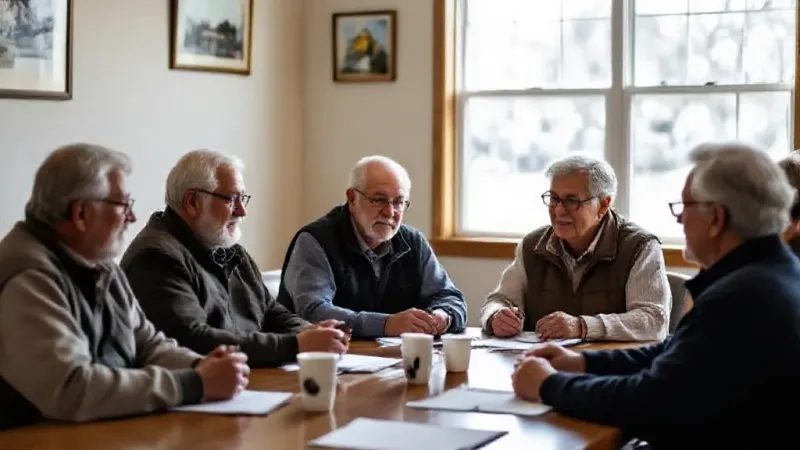
As individuals navigate later stages of life, they may find previous traumas resurfacing, long-standing friendships shifting, and new perspectives emerging on the demands of caregiving for family members. These experiences, while common, often require specific forms of support and understanding to manage their impact on daily life.
Trauma, according to board-certified physician Dr. Rhea Rogers, does not always stem from dramatic events but can manifest as “invisible suffering.” Dr. Rogers explained that the body attempts to move past these experiences even when the brain is unable to. Symptoms of past trauma can become notably more pronounced during significant life changes such as retirement, serious illness, or the loss of a loved one. Discussions among those addressing these challenges suggest various therapies, including massage, trauma-informed therapy, and the assistance of service animals, could offer support.
The emotional impact of ending a friendship that has lasted for decades can be as profound as the dissolution of a romantic relationship, yet this form of loss is often grieved silently. Katherine Ambrose, an aging well coach, highlighted this difference, noting that when such friendships end, “Nobody’s bringing you casseroles or sending you flowers usually, and it can be really tough.” Ambrose’s observations underscore the isolated nature of navigating these difficult transitions.
Caregiving, particularly for those with advanced conditions, presents its own set of burdens. Ty Lewis, a certified dementia practitioner and content creator who cares for her mother, Gertrude, who is in the late stages of Alzheimer’s disease, offers a powerful shift in perspective. Lewis emphasizes that the true burden lies in the care itself—the workload, the financial strain, and the struggle to find adequate resources—rather than the person receiving the care. She encourages caregivers to view their role as a blessing, approaching it with a servant leader mindset, separating the challenges of the task from the love for the individual.
Further south, in Myrtle Beach, South Carolina, a hospital volunteer brings a different kind of comfort. Peg Mann volunteers at McLeod Seacoast Hospital, filling waiting rooms with the soothing sounds of her harp music. Mann's gentle notes provide a calming atmosphere, offering respite from the beeping of monitors and the constant footsteps in the hospital. Before her musical performance, Mann contributes to patient comfort by escorting individuals and distributing items from a comfort cart, ultimately playing for patients and their families awaiting important news.