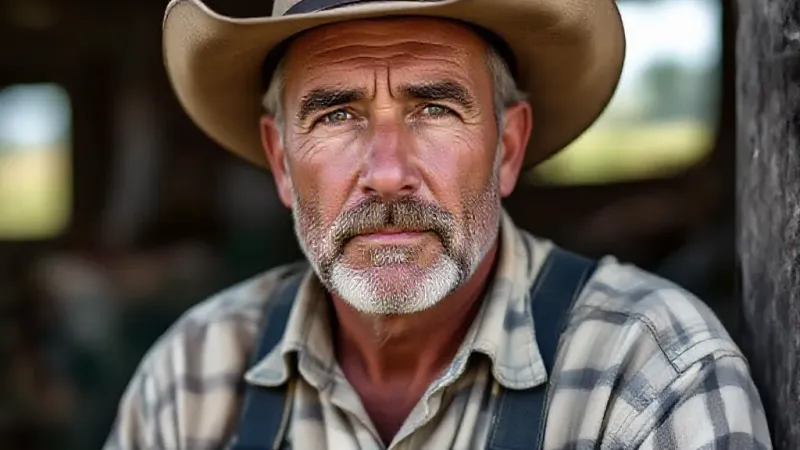
Ashland County farmer Joe Stimmell, a lifelong resident of the county with over two decades of farming experience, states that the current economic reality for Ohio farmers is unsustainable. Stimmell, who raises 25 head of beef cattle and farms approximately 700 acres of corn, soybeans, and small grains with his brother and uncle, reports conditions unlike anything he has experienced, even surpassing challenges faced during the Great Recession and the pandemic.
Stimmell, who identifies as unaffiliated with any party or candidate, observes that many working people across Ohio feel they are slipping further behind despite working harder. He contrasts this with the public statements of politicians like Ohio U.S. Sen. Jon Husted and local Congressman Max Miller, who Stimmell suggests present an economy he describes as booming, a reality different from his own experience.
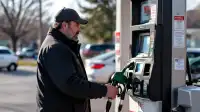
Fuel prices are a significant concern, according to Stimmell, who attributes their climb to what he calls the "Iran war our leaders keep voting to prolong." He reports that gas prices in Ohio have reached about $4.50 a gallon, and diesel recently hit a record high of $6.81. Stimmell states that discussions about fuel prices, and whether to top off tanks or wait, are almost daily occurrences.
He links these prices to the voting records of elected officials. Stimmell notes that Sen. Husted has voted 14 times to support the war in Iran, while Congressman Miller has voted for it 7 times, including for a budget framework that Stimmell says would provide President Trump $73 billion for the war. Stimmell views these votes as "rubber-stamp[ing] a war of choice that’s driving up our bills and making it harder for businesses to operate."
Fertilizer costs have also presented significant challenges. Stimmell recounts a firsthand experience this spring when, as the war with Iran reportedly broke out, he and his brother were meeting with a local co-op about fertilizer prices. He states that by the time they arrived, everything was in disarray, and prices for essentials like urea went up sharply, getting "dangerously close to $850 a ton on the farm." Stimmell indicates that this volatility makes future planning nearly impossible.
In the livestock industry, Stimmell points to the impact of the president’s beef imports on farmers' livelihoods. He states that since September, live cattle prices are down roughly 20 cents, or $300 a head. Additionally, Stimmell observes that fat cattle have dropped 40 to 50 cents since June, wiping out nearly 20% of their total value. While cattle farming remains profitable for now, Stimmell notes that these drastic reductions in live cattle prices have not resulted in lower prices for consumers at the grocery store, and he believes it makes the country more dependent on foreign beef in the long run.
Beyond farming and the Iran war, Stimmell identifies other factors contributing to rising costs, including tariffs, an influx of data centers, and healthcare cuts. He reports that these elements are driving up the cost of "everything from utility bills to groceries to basic household goods." Stimmell personally states that he makes significantly more than when he began farming but feels no more secure due to the skyrocketing cost of living. He also knows multiple individuals who are having to finance their grocery purchases, which he considers not indicative of a booming economy.
Stimmell observes that Sen. Husted and Congressman Miller are reportedly worth millions, suggesting their quality of life is not truly affected by the votes they cast in Washington. For farmers like himself, however, who have seen input costs rise dramatically and cattle values fall, Stimmell states they feel the stress and understand the constant trade-off decisions Ohioans face, such as whether to spend more on fertilizer for corn or switch to soybeans to save on inputs, or to buy less meat at the grocery store. He advocates for leaders who understand the impact of their decisions on the lives of their constituents, rather than what he calls "rubber-stamp politicians who are too scared to stand up for us."