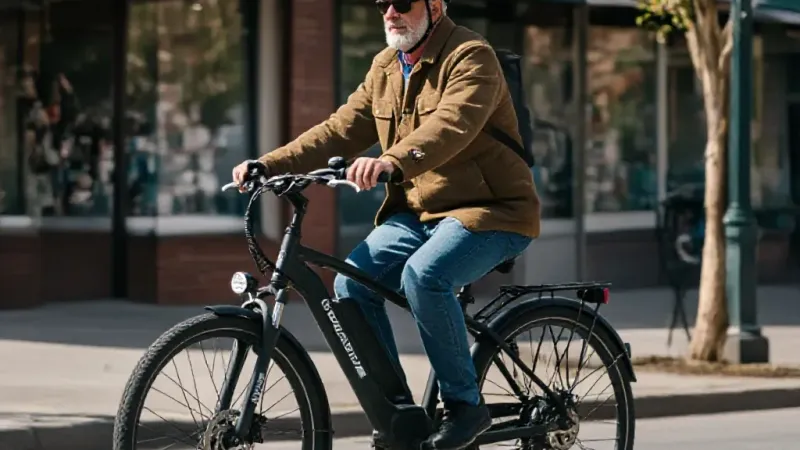
Ohio lawmakers are moving to establish new age limits and safety requirements for electric bikes and scooters statewide, citing a rise in serious injuries, fatal crashes, and a confusing patchwork of local regulations. Democratic state Senator Bill DeMora of Columbus has introduced Senate Bill 477, and Democratic state Representative Eric Synenberg of Beachwood plans to introduce a separate measure soon, according to the Ohio Capital Journal.
The proposed legislation aims to prohibit children aged 13 and younger from operating electric bikes and electric scooters. It would also mandate that all riders wear helmets and bar anyone younger than 18 from operating high-powered e-bikes. Currently, Ohio law requires Class 3 e-bike riders, whose bikes can reach speeds of up to 28 miles per hour with pedal assistance, to be at least 16 and wear a helmet. However, there is no minimum age requirement for Class 1 and Class 2 electric bikes, which can reach speeds of about 20 miles per hour with pedal assistance or a throttle. Representative Synenberg noted this gap in current law, stating that “A six-year-old could be riding one” under existing regulations.
Further provisions in the proposed bills include establishing speed limits for e-bikes and scooters: 10 miles per hour on shared-use paths and five miles per hour on sidewalks. Additionally, owners would be required to register personal electric bikes and scooters with the state at a cost of $25. Failure to register could result in a minor misdemeanor charge and the impoundment of the vehicle for 30 days, Representative Synenberg explained.
Lawmakers supporting the restrictions point to injury data and hospital treatment numbers as key motivators. Data from the U.S. Consumer Product Safety Commission shows that children between 11 and 14 years old accounted for nearly 40% of pediatric injuries nationwide involving electric bikes and scooters. Senator DeMora highlighted local concerns, stating that Akron Children’s Hospital had treated more e-bike and e-scooter injuries by the middle of July than it did during all of 2025. These injuries, DeMora detailed, include brain injuries, fractures, road rash, lung contusions, and injuries to major internal organs.
Fatal crashes involving electric bikes and scooters struck by vehicles, including hit-and-run incidents, have also occurred in both urban and rural communities, according to DeMora. He specifically cited incidents in Brown and Athens counties. In Columbus, a 58-year-old man recently died from injuries sustained when a van struck him while he was riding an electric bike.
Beyond safety concerns, the legislation seeks to standardize regulations across the state. Senator DeMora noted that several communities in Franklin County have adopted their own rules for electric bikes and scooters. This creates a “patchwork of requirements” that can confuse riders traveling between jurisdictions. DeMora emphasized that it “becomes increasingly difficult when every community has different rules, and riders may not know what requirements apply when they cross a line from one community to another.”
Representative Synenberg clarified that the intention behind the legislation is not to prevent Ohioans from using e-bikes and e-scooters. Instead, he said the goal is to ensure riders understand the rules and risks, while also establishing consistent expectations for motorists, pedestrians, local governments, law enforcement, and businesses.
Lawmakers express hope that the proposed restrictions could be in place by spring, a time when electric bike and scooter use typically increases after the winter months. However, the Ohio General Assembly is currently on break and is scheduled to reconvene after the November election. Any legislation that does not pass before the current two-year General Assembly session concludes in December would need to be reintroduced in the subsequent session. Senator DeMora commented on the legislative timeline, observing that “In lame duck, all things are possible.”