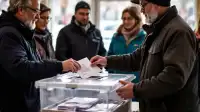

Ohio voters are navigating increasing efforts to sow confusion and create barriers to casting ballots, according to Steve David, Ohio state director for All Voting Is Local, a nonpartisan organization. These challenges are linked to "debunked conspiracy theories and misinformation" from the President of the United States and others, impacting the state’s election landscape as the 2026 midterms come into view. David states that this "deluge of misinformation will not end on Election Day," and efforts to undermine future election results are expected to intensify.
The willingness of legislators and elected officials to embrace these false narratives has directly impacted everyday Ohioans trying to cast their votes. This has led to the enactment of "one of the country’s most restrictive voter ID laws" and the implementation of "unnecessarily aggressive voter list maintenance processes." Most recently, the state saw the elimination of the four-day acceptance period for absentee ballots.
The strict voter ID law, which Gov. DeWine had claimed would make further election statutory changes unnecessary, has had tangible consequences. In 2024 alone, 34,000 provisional ballots were rejected across Ohio. Of these, over 7,000 provisional ballot rejections can be directly attributed to the new, strict voter ID requirements. This means thousands of Ohioans who arrived to vote had their "voices silenced at the ballot box."
Despite this evidence, the Ohio legislature proceeded to pass, and Gov. DeWine signed into law, the elimination of the state’s four-day grace period for absentee ballots. This change reduces access to a "tried-and-tested voting method" ahead of the 2026 primaries.
In June, the legislature also attempted to alter Ohio’s vote-by-mail system. Lawmakers tried to attach requirements to "submit a photocopy of your state ID with your ballot" to an unrelated bill. However, Gov. DeWine vetoed that legislation. This action followed outcry from election officials and advocates for older adults, who identified an "enormous potential for abuse" if older adults were required to send copies of their identification through the mail.
Amid these legislative and cultural shifts, Ohio’s election administrators continue to operate under "unnecessary strain." They work to ensure that Ohioans can exercise their freedom to vote. All Voting Is Local emphasizes that this commitment to running democracy is as vital as the public's commitment to participating in it, characterizing everyone as "election defenders."
For Ohioans motivated to protect free and accessible elections, David suggests several initial steps. Voters should first "check that your voter registration is up to date" and ensure they have "the documentation needed to cast your vote this fall." For those wishing to deepen their involvement, opportunities exist to attend public logic and accuracy testing for voting machines. Citizens can also apply to become nonpartisan poll workers, contributing to ensuring their community can vote safely, easily, and free from intimidation.
The organization stresses that while processes may be imperfect, the very fact that legislators rely on policies that seek to prevent eligible voters from voting demonstrates the power of each individual’s vote. All Voting Is Local asserts that the country is strongest when all citizens "show up, speak out, and refuse to be intimidated." The organization pledges to continue working to ensure every voter has the freedom to vote, every vote is counted, and the will of the people is upheld, from now through Election Day and beyond.